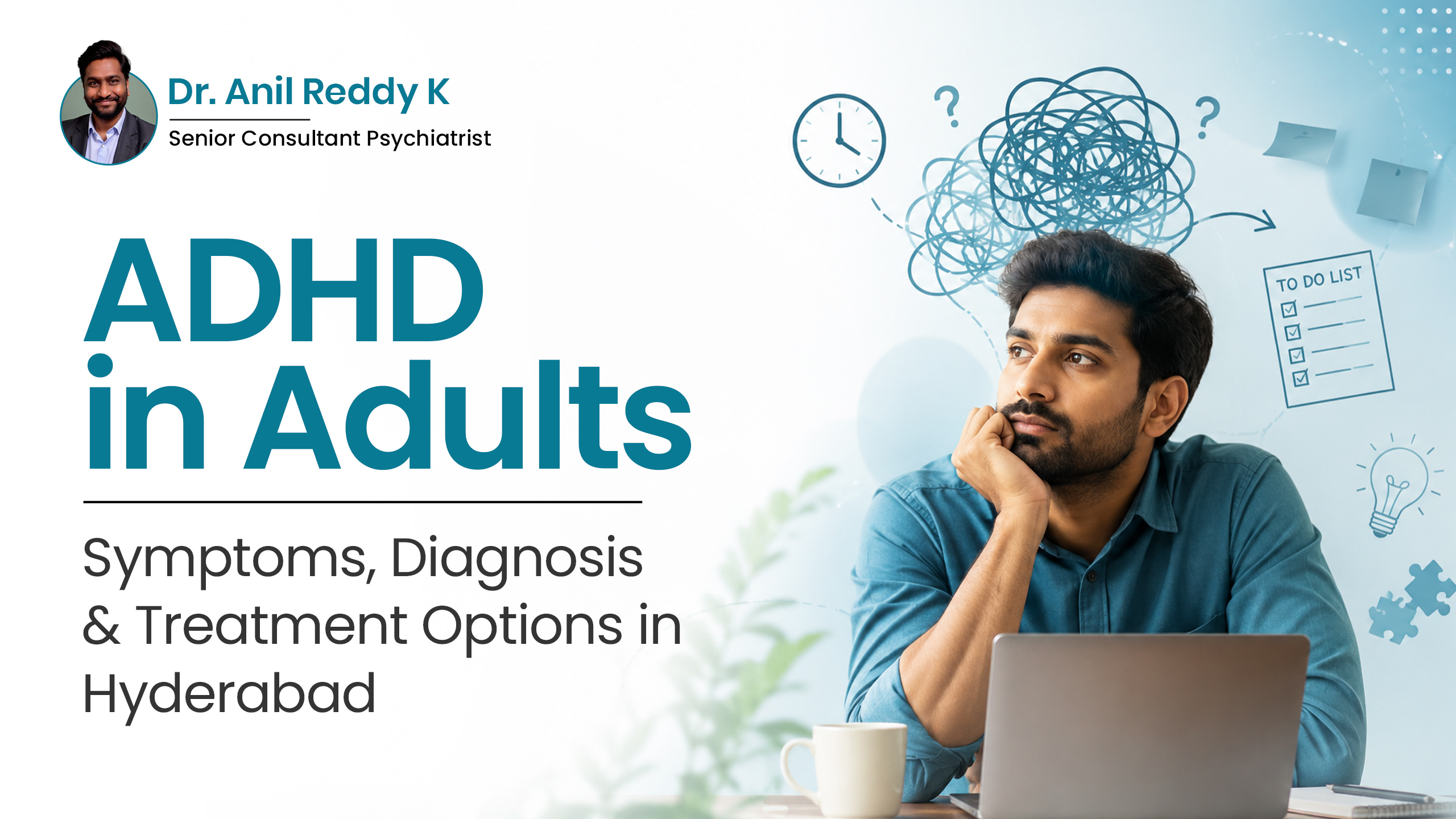
ADHD in Adults: It’s More Common Than Many People Realize
Many people associate attention-deficit/hyperactivity disorder (ADHD) with childhood, but the condition often continues into adulthood. In some cases, individuals are not diagnosed until they begin facing challenges at work, in relationships, or while managing everyday responsibilities.
Adults with ADHD may struggle with staying organized, completing tasks, managing time, controlling impulses, or maintaining focus. These difficulties are often misunderstood as laziness, lack of discipline, or poor motivation, when they may actually be symptoms of a treatable neurodevelopmental condition.
Recognizing ADHD early and seeking professional support can significantly improve quality of life. If these symptoms are interfering with your personal or professional life, consulting a psychiatrist in Hyderabad can help you receive a comprehensive evaluation and the right treatment.
What Is Adult ADHD?
Attention-Deficit/Hyperactivity Disorder (ADHD) is a neurodevelopmental disorder that affects attention, impulse control, and executive functioning. While many people are diagnosed during childhood, others continue living with symptoms into adulthood without realizing the underlying cause.
Adult ADHD may not always present with obvious hyperactivity. Instead, it often appears as persistent disorganization, forgetfulness, difficulty concentrating, poor time management, emotional impulsivity, or chronic procrastination.
Without proper diagnosis, these challenges can affect education, career growth, relationships, finances, and overall mental well-being.
Common Symptoms of ADHD in Adults
Symptoms vary from person to person, and not everyone experiences the same difficulties.
Difficulty Maintaining Attention
Adults with ADHD often find it hard to stay focused during meetings, conversations, reading, or routine tasks. They may become easily distracted by surrounding activities or unrelated thoughts.
Poor Time Management
Missing deadlines, arriving late, underestimating how long tasks take, and constantly feeling rushed are common concerns.
Forgetfulness
Frequently losing keys, wallets, or phones; forgetting appointments; or overlooking important responsibilities can interfere with daily life.
Difficulty Staying Organized
Keeping track of schedules, paperwork, household responsibilities, or work assignments may feel overwhelming.
Impulsiveness
Interrupting conversations, making quick decisions without thinking through consequences, excessive spending, or acting impulsively are common symptoms.
Restlessness
Although childhood hyperactivity may decrease with age, many adults continue to experience internal restlessness, difficulty relaxing, or constantly feeling “on edge”.
Emotional Dysregulation
Adults with ADHD may experience mood swings, frustration, irritability, low tolerance for stress, and difficulty managing emotions.
Signs That ADHD May Be Affecting Your Daily Life
Adult ADHD can influence many areas beyond concentration.
Common signs include:
- Frequently starting projects but rarely finishing them
- Constant procrastination
- Difficulty prioritizing tasks
- Feeling overwhelmed by simple responsibilities
- Trouble following conversations
- Frequently misplacing belongings
- Difficulty managing finances
- Forgetting important dates or commitments
- Making careless mistakes at work
- Difficulty maintaining routines
When these symptoms persist over time, they can negatively impact both personal and professional life.
Causes and Risk Factors of Adult ADHD
Researchers believe ADHD develops due to a combination of genetic and neurological factors.
Possible contributing factors include:
Genetics
ADHD often runs in families. Individuals with parents or siblings diagnosed with ADHD have a higher likelihood of developing the condition.
Brain Development
Differences in brain structure and neurotransmitter function may affect attention, planning, and impulse control.
Childhood ADHD
Many adults diagnosed later in life actually experienced symptoms during childhood that went unrecognized.
Environmental Factors
Premature birth, low birth weight, or exposure to certain environmental risks during pregnancy may increase the likelihood of ADHD.
Adult ADHD vs Normal Forgetfulness
Everyone becomes distracted occasionally, but ADHD symptoms are persistent and interfere with daily functioning.
| Normal Forgetfulness | Adult ADHD |
| Occasionally misses deadlines | Frequently struggles to complete tasks |
| Sometimes loses items | Frequently misplaces belongings |
| Can refocus easily | Difficulty sustaining attention |
| Temporary distractions | Persistent attention problems |
| Usually organized | Chronic disorganization |
If attention difficulties consistently affect your work, studies, or relationships, professional evaluation is recommended.
How ADHD Affects Everyday Life?
Untreated ADHD can influence several aspects of daily living.
Work Performance
Adults may struggle with productivity, meeting deadlines, multitasking, organizing projects, or maintaining concentration during meetings.
Relationships
Forgetfulness, impulsive communication, emotional outbursts, and missed commitments may create misunderstandings with partners, friends, or family.
Financial Management
Impulsive purchases, unpaid bills, missed payments, and poor budgeting are common challenges.
Mental Health
Many adults with ADHD also experience anxiety, depression, low self-esteem, or chronic stress due to years of struggling with untreated symptoms.
How Adult ADHD Is Diagnosed?
There is no single laboratory test for ADHD.
Diagnosis involves a detailed clinical evaluation that includes:
- Medical history
- Childhood behavioral history
- Current symptoms
- Family history
- Work and academic performance
- Mental health assessment
- Screening for other conditions that may mimic ADHD
Because symptoms often overlap with anxiety, depression, thyroid disorders, sleep disorders, or learning difficulties, an accurate diagnosis is essential before beginning treatment.
Treatment Options for Adult ADHD
With proper care, adults with ADHD can significantly improve their focus, productivity, and quality of life.
If you’re looking for ADHD treatment in Hyderabad, early evaluation can help determine the most effective treatment approach based on your individual needs.
Comprehensive Assessment
A psychiatrist performs a thorough evaluation to understand symptom severity and identify any coexisting mental health conditions.
Medication
Stimulant or non-stimulant medications may be prescribed when appropriate to improve attention, concentration, and impulse control.
Cognitive Behavioral Therapy (CBT)
CBT helps individuals develop practical strategies for managing time, improving organization, reducing procrastination, and handling emotional challenges.
Behavioral Strategies
Learning structured routines, using planners, setting reminders, breaking tasks into smaller goals, and improving organizational habits can greatly enhance daily functioning.
Lifestyle Modifications
Regular exercise, healthy sleep habits, balanced nutrition, and mindfulness practices can complement medical treatment and improve overall well-being.
When Should You See a Psychiatrist?
Many adults delay seeking help because they assume these challenges are simply part of their personality.
You should consider professional evaluation if you experience:
- Persistent difficulty concentrating
- Chronic procrastination
- Poor organization despite repeated efforts
- Frequent forgetfulness
- Difficulty completing everyday tasks
- Relationship problems due to impulsive behavior
- Ongoing work or academic challenges
- Anxiety or depression alongside attention difficulties
Early diagnosis often leads to better long-term outcomes and improved confidence.
Tips for Managing ADHD Every Day
While professional treatment is important, healthy habits can make daily life more manageable.
- Create a consistent daily routine.
- Break large tasks into smaller steps.
- Use reminders and digital calendars.
- Prioritize one task at a time.
- Keep frequently used items in designated places.
- Exercise regularly.
- Get sufficient sleep each night.
- Minimize distractions while working.
- Practice mindfulness or relaxation exercises.
- Seek support from family, friends, or professionals when needed.
Frequently Asked Questions (FAQs)
1. Can ADHD be diagnosed in adulthood?
Yes. Many people are diagnosed as adults after experiencing long-standing difficulties with attention, organization, or impulsivity that were previously overlooked.
2. What are the most common symptoms of adult ADHD?
Common symptoms include poor concentration, forgetfulness, disorganization, impulsive behavior, difficulty managing time, procrastination, and restlessness.
3. Can ADHD cause anxiety or depression?
Yes. Adults with untreated ADHD are more likely to develop anxiety, depression, low self-esteem, and chronic stress due to ongoing daily challenges.
4. Is ADHD treatable?
Yes. Most adults experience significant improvement with a combination of medication, therapy, behavioural strategies, and healthy lifestyle changes.
5. When should I seek professional help for ADHD?
If attention problems, forgetfulness, or impulsive behaviours consistently interfere with work, relationships, or daily responsibilities, it’s advisable to consult a mental health professional. If you’re searching for the best psychiatrist near me, choosing an experienced specialist can help ensure an accurate diagnosis and personalized treatment plan.
Take the First Step Toward Better Focus and Mental Well-being
Dr. Anil Reddy K provides expert evaluation and evidence-based treatment for adult ADHD, anxiety, depression, stress-related disorders, and other mental health conditions. Every treatment plan is personalized to help individuals improve focus, emotional well-being, and overall quality of life.
If persistent attention difficulties, impulsive behavior, or chronic disorganization are affecting your daily life, seeking professional support early can make a meaningful difference.
📞 Call: +91 96666 55558 | +91 63032 85050
🌐 Website: https://dranilreddykpsychiatrist.com/