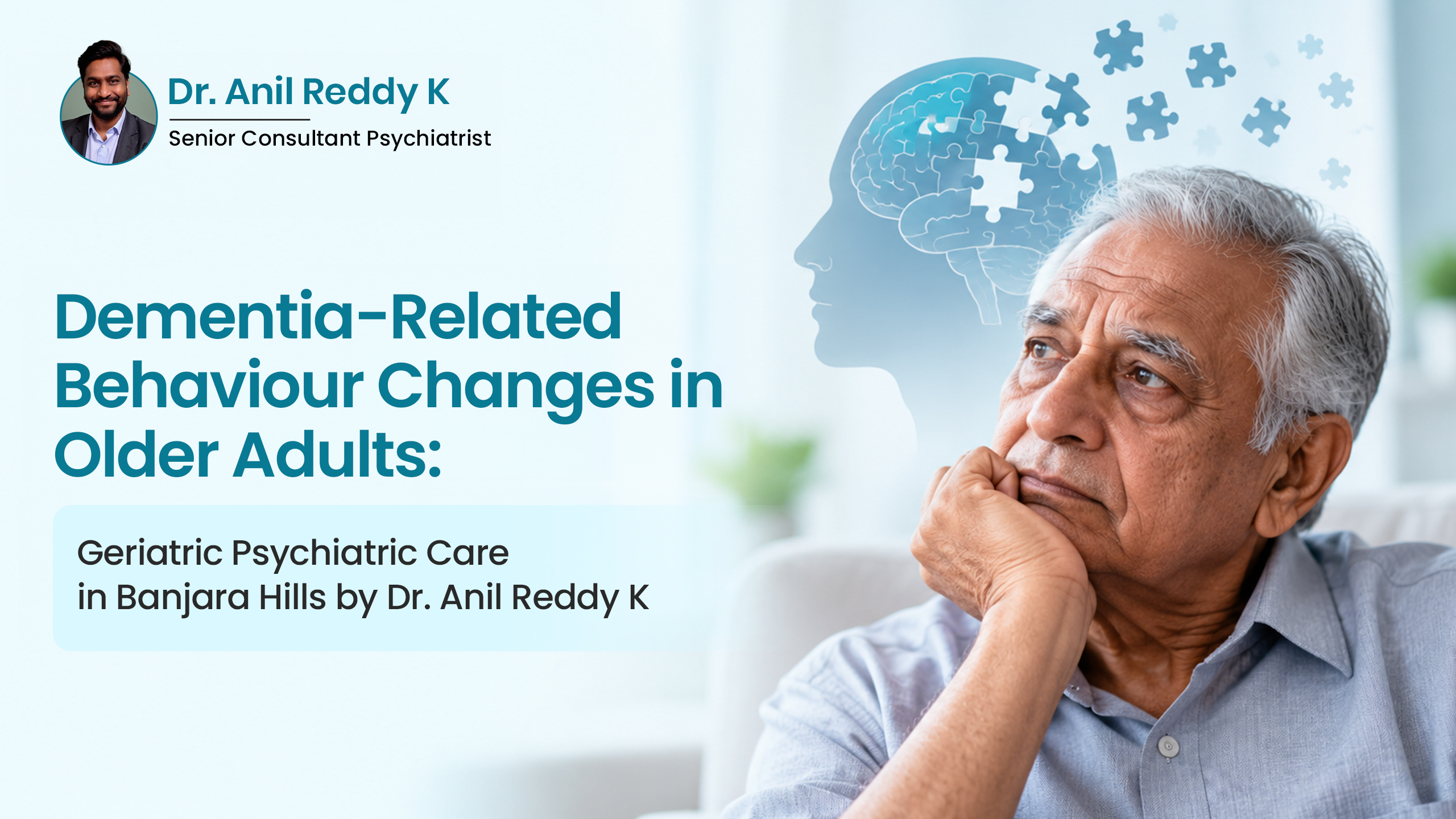
Ageing can bring changes in memory, communication, and daily routines, but noticeable changes in a person’s personality or behaviour may require closer attention. An older adult who was previously calm may become restless, suspicious, withdrawn, or easily irritated. Family members may initially consider these changes a normal part of ageing, particularly when they develop gradually.
Dementia is a condition associated with a decline in cognitive abilities that can interfere with everyday activities. Along with memory difficulties, some individuals may experience changes in mood, sleep, judgement, emotional responses, and social behaviour. These symptoms can be confusing for families, especially when a loved one begins behaving differently from their usual personality.
Understanding the reasons behind these changes can help families respond with patience and seek appropriate professional guidance. Early assessment may help identify contributing medical conditions, improve symptom management, and support the older adult’s comfort, dignity, and quality of life.
For families seeking Geriatric Psychiatric Care in Banjara Hills, Dr. Anil Reddy K provides psychiatric evaluation and individualised care for older adults experiencing behavioural, emotional, and other mental health concerns.
What Is Dementia and How Can It Affect Behaviour?
Dementia is an umbrella term for symptoms caused by conditions that affect memory, thinking, language, reasoning, and other cognitive abilities. Alzheimer’s disease is one common cause, although dementia can also occur because of vascular disease, Lewy body disease, and other neurological conditions.
As cognitive abilities change, an older adult may find it harder to understand situations, express needs, recognise familiar surroundings, or manage everyday activities independently. These difficulties can sometimes appear as behavioural changes.
For example, a person who cannot remember where an item was placed may become convinced that someone has stolen it. Another person may feel frightened in an unfamiliar environment and repeatedly ask to return home.
These reactions are not necessarily intentional or deliberate. Understanding the possible reasons behind the behaviour can help families provide appropriate support.
Common Dementia-Related Behaviour Changes in Older Adults
Behavioural symptoms vary according to the type and stage of dementia, the individual’s health, and their surroundings. Recognising changes from a person’s usual behaviour can help families decide when to seek professional advice.
1. Irritability and Sudden Mood Changes
An older adult may become frustrated, impatient, anxious, or upset over situations that previously caused little difficulty. Trouble communicating, remembering instructions, or completing familiar tasks may contribute to these reactions.
Changes in mood can also be associated with pain, poor sleep, medication effects, or other medical concerns. Persistent or sudden changes should not automatically be attributed to dementia.
2. Anxiety and Restlessness
Some individuals may repeatedly walk around, ask the same questions, appear unable to settle, or become distressed when separated from familiar people.
Restlessness may increase during particular times of the day, especially when the person is tired or surrounded by excessive noise and activity. Identifying patterns can help caregivers understand what may be contributing to the behaviour.
3. Suspicion and False Beliefs
A person with dementia may misplace belongings and believe that another person has taken them. Some individuals may become suspicious of family members or caregivers because they have difficulty recalling events accurately.
Arguing forcefully or repeatedly correcting the person may increase distress. A calm response, reassurance, and practical steps to locate the missing item may be more helpful.
4. Social Withdrawal and Reduced Interest
Older adults experiencing cognitive changes may gradually lose interest in conversations, hobbies, family gatherings, or familiar activities.
They may find social situations difficult to follow or feel embarrassed when they cannot remember names and details. Providing opportunities for simple, familiar activities without pressure can encourage participation.
5. Sleep Disturbances and Night-Time Confusion
Changes in the sleep-wake cycle may cause some individuals to remain awake at night, sleep during the day, or become confused after dark.
Poor sleep can affect mood and increase daytime fatigue. A consistent bedtime routine, suitable daytime activity, and a comfortable sleeping environment may help, although persistent problems require assessment.
6. Repetitive Questions and Actions
Repeatedly asking about a family member, checking a door, or performing the same action several times can occur when memory and the ability to retain new information are affected.
Responding patiently and using simple reminders or familiar routines can reduce frustration for both the older adult and their carer.
What Causes Behavioural Changes in Dementia?
Dementia can contribute directly to behavioural symptoms, but other factors may also influence how an older adult feels and responds to their surroundings.
Cognitive Changes
Difficulty remembering events, interpreting information, or recognising familiar places can lead to confusion, fear, frustration, or suspiciousness.
Pain or Physical Discomfort
Arthritis, constipation, hunger, dehydration, and other sources of discomfort may be difficult for someone with communication difficulties to explain. Behavioural changes can sometimes be a sign that the person needs physical attention.
Medication Effects
Certain medicines, interactions between medicines, and changes in dosage may affect alertness, sleep, mood, or confusion. Medication should be reviewed by a qualified healthcare professional when new symptoms develop.
Environmental Changes
Moving to a new home, changing carers, unfamiliar surroundings, loud noises, or disrupted daily routines may increase distress in some individuals.
Other Medical Conditions
Infections, metabolic disturbances, sleep problems, and other illnesses can worsen confusion or behaviour. A sudden change over hours or days may indicate delirium or another urgent medical problem rather than the usual progression of dementia.
When Should Families Seek Psychiatric Evaluation?
Occasional forgetfulness does not necessarily indicate dementia, and behavioural symptoms alone cannot establish a diagnosis. However, professional assessment is advisable when changes become persistent, worsen over time, or interfere with everyday life.
Families should consider seeking help when an older adult experiences:
- Increasing agitation or frequent emotional outbursts
- Persistent anxiety or unusual suspiciousness
- Significant changes in sleep patterns
- Withdrawal from familiar activities and relationships
- Increasing difficulty managing daily routines
- Behaviour that creates safety concerns
- New confusion or changes in personality
- Difficulty coping with personal care or familiar surroundings
Sudden confusion, a rapid change in behaviour, reduced consciousness, or new neurological symptoms require urgent medical assessment. These symptoms may indicate an acute illness or another emergency.
How Are Dementia-Related Behaviour Changes Assessed?
A detailed evaluation helps determine whether behavioural changes are associated with dementia, another medical condition, medication effects, or a combination of factors.
A psychiatrist or other appropriate healthcare professional may review:
- The person’s current symptoms and when they began
- Changes in memory, attention, and daily functioning
- Sleep patterns and emotional well-being
- Medical history and existing health conditions
- Current medicines and recent dosage changes
- Recent illnesses, pain, or physical discomfort
- Information provided by family members or caregivers
Depending on the findings, the healthcare professional may recommend cognitive assessments, physical examinations, laboratory tests, or referral for further neurological evaluation.
Information from family members is often useful because they can describe changes from the person’s usual behaviour and explain how symptoms affect daily life.
Managing Behavioural Changes in Older Adults with Dementia
Management should focus on identifying contributing factors, reducing distress, and maintaining safety and independence wherever possible. The appropriate approach depends on the person’s symptoms, health, and stage of cognitive decline.
1. Establish a Familiar Daily Routine
Regular meal times, consistent sleep schedules, and familiar activities can help reduce uncertainty. Sudden changes in routine should be introduced gradually when possible.
2. Communicate Calmly and Clearly
Use short sentences, simple instructions, and a reassuring tone. Allow enough time for the older adult to understand and respond. Avoid giving several instructions at once.
When the person becomes distressed, acknowledging their feelings may be more effective than insisting that their understanding of a situation is incorrect.
3. Create a Comfortable Environment
Reduce unnecessary background noise, improve lighting, and keep frequently used belongings in familiar places. Clear walking paths and appropriate supervision may also reduce the risk of falls and other accidents.
4. Encourage Meaningful Activities
Familiar music, light physical activity, household tasks, photographs, and simple hobbies may provide comfort and engagement. Activities should be adapted to the person’s abilities and preferences rather than becoming a source of pressure.
5. Review Physical Health and Medication
If behaviour changes suddenly or becomes more severe, a medical assessment can help identify pain, infection, dehydration, constipation, sleep disturbances, or medication-related effects.
Medicines used to manage severe behavioural symptoms require careful professional consideration because benefits and risks vary. Families should not start, stop, or adjust prescribed medication without medical advice.
6. Support Family Caregivers
Caring for someone with dementia can be emotionally and physically demanding. Sharing responsibilities, arranging respite when available, maintaining personal routines, and seeking professional guidance can help caregivers manage ongoing responsibilities.
The Role of Geriatric Psychiatry in Dementia Care
Geriatric psychiatry focuses on the mental health and behavioural needs of older adults. In dementia care, psychiatric assessment may help address distressing symptoms such as agitation, anxiety, sleep difficulties, depression, and significant changes in behaviour.
Treatment is individualised and may include identifying reversible causes, reviewing medication, recommending behavioural strategies, and coordinating care with other healthcare professionals when needed.
Families looking for Dementia-Related Behaviour support should understand that the goal is not simply to suppress difficult behaviour. It is to identify what may be causing the distress, protect the person’s dignity, and improve day-to-day comfort and functioning.
Dr. Anil Reddy K provides psychiatric assessment and personalised care for mental health concerns. For older adults with suspected dementia or behavioural changes, the appropriate evaluation and treatment plan depend on their symptoms, medical history, and individual needs.
Supporting an Older Adult with Dementia at Home
Family members play an important role in recognising changes and helping older adults feel secure. Consistent, compassionate care can make everyday situations easier to manage.
Caregivers can support a loved one by:
- Maintaining familiar surroundings and daily routines
- Speaking slowly and avoiding confrontational arguments
- Offering reassurance during periods of confusion
- Monitoring sleep, appetite, hydration, and physical comfort
- Recording changes in behaviour and possible triggers
- Attending medical appointments and sharing observations
- Seeking assistance when symptoms become difficult to manage safely
Dementia affects individuals differently. Some may remain relatively independent for a period, while others require increasing assistance with everyday activities. Care should be adjusted as needs change, with an emphasis on respect, safety, and quality of life.
Frequently Asked Questions (FAQs)
1. What are the common behavioural changes associated with dementia?
Common changes include irritability, anxiety, restlessness, suspiciousness, repetitive questions, social withdrawal, sleep disturbances, and confusion. Symptoms vary between individuals and may change as the condition progresses.
2. Why does a person with dementia sometimes become aggressive?
Aggression may occur when a person feels frightened, confused, overwhelmed, or unable to communicate their needs. Pain, infection, medication effects, and environmental changes may also contribute. New or worsening aggression should be assessed by a healthcare professional.
3. Can dementia-related behavioural changes be treated?
Many behavioural symptoms can be managed, although the underlying dementia may not be reversible. Treatment may involve addressing physical discomfort, modifying the environment, establishing routines, supporting caregivers, and using medication when clinically appropriate.
4. When should an older adult with dementia see a psychiatrist?
A psychiatric evaluation may be helpful when an older adult experiences persistent agitation, anxiety, mood changes, sleep difficulties, suspiciousness, or behaviour that affects daily functioning. Sudden confusion or rapid behavioural changes require urgent medical assessment.
5. How can family members help someone experiencing dementia-related behaviour changes?
Families can maintain a predictable routine, communicate calmly, provide reassurance, encourage familiar activities, and monitor physical comfort. Recording symptoms and discussing changes with the healthcare professional can also help guide care.
Expert Geriatric Psychiatric Care in Banjara Hills
Dementia-related behavioural changes can affect an older adult’s daily activities, relationships, and emotional well-being. Identifying possible causes and recognising warning signs can help families provide appropriate support and seek timely medical guidance.
Dr. Anil Reddy K offers psychiatric assessment and personalised care to help families understand behavioural symptoms and explore suitable management options based on individual needs.
For professional guidance on dementia-related behavioural changes, contact the clinic to discuss appropriate care.
Geriatric Psychiatric Care in Banjara Hills Call: 96666 55558