When Joy Feels Overwhelming Instead of Comforting
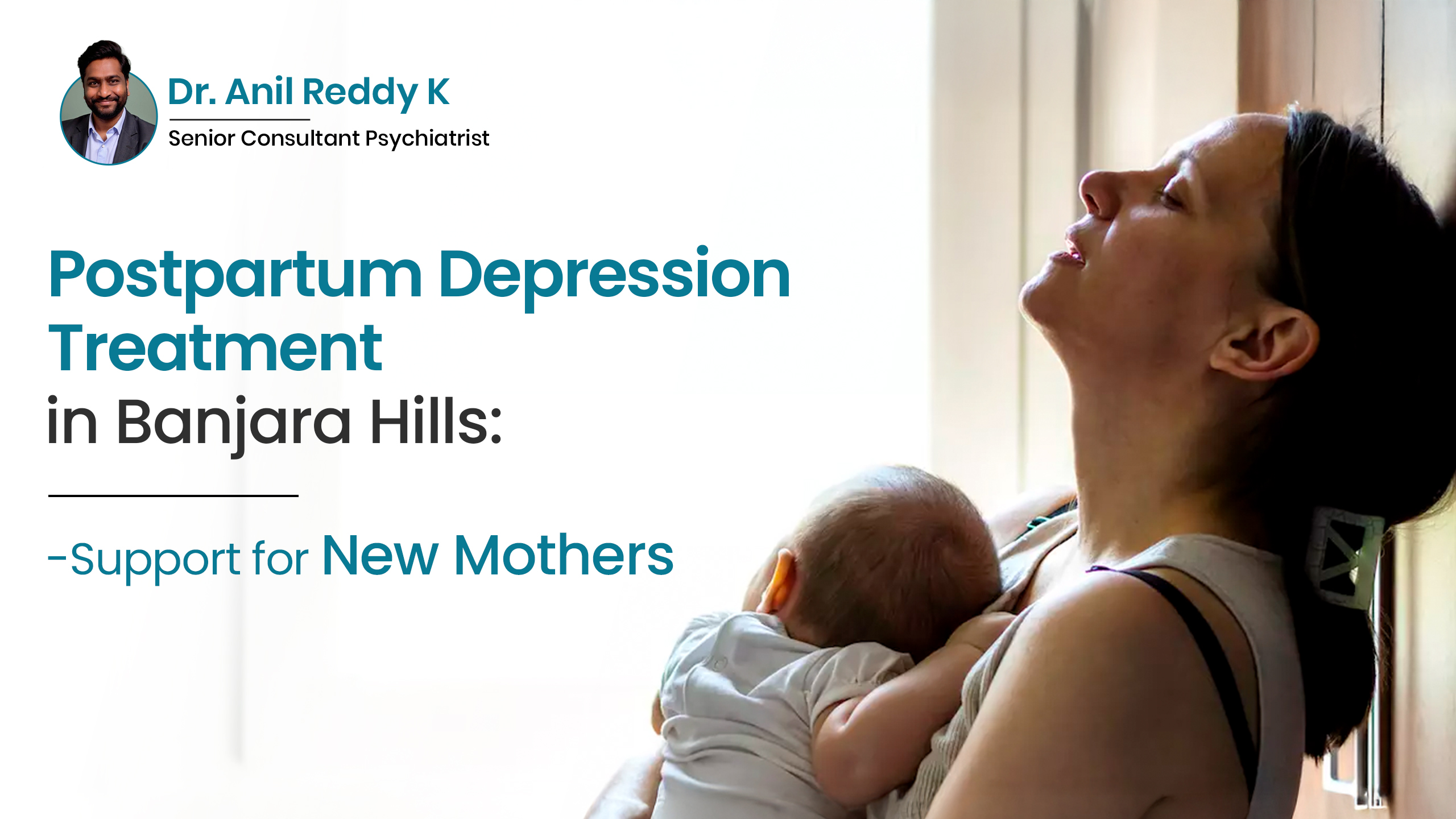
Welcoming a new baby is often described as one of life’s happiest moments. But for many mothers, this phase also brings unexpected emotional challenges. Instead of feeling joyful, you may feel overwhelmed, anxious, or emotionally drained.
These feelings are not uncommon. However, when they persist and begin to interfere with daily life, they may indicate postpartum depression a condition that requires understanding, support, and proper care.
With timely postpartum depression treatment in Banjara Hills, new mothers can regain emotional balance and confidence while navigating this important phase of life.
What Is Postpartum Depression?
Postpartum depression (PPD) is a mental health condition that affects women after childbirth. It goes beyond temporary “baby blues,” which usually resolve within a few days.
PPD can develop within weeks or even months after delivery and may impact emotional, physical, and mental well-being.
Common symptoms include:
- Persistent sadness or low mood
- Loss of interest in activities
- Difficulty bonding with the baby
- Fatigue or low energy
- Changes in sleep or appetite
- Feelings of guilt, worthlessness, or helplessness
It is important to understand that postpartum depression is not a personal failure it is a medical condition that can be treated effectively.
Why Postpartum Depression Happens
Postpartum depression is often caused by a combination of emotional, hormonal, and lifestyle changes.
- Hormonal Fluctuations
After childbirth, hormone levels such as estrogen and progesterone drop rapidly, which can affect mood. - Sleep Deprivation
Caring for a newborn often disrupts sleep patterns, leading to exhaustion and emotional instability. - Emotional Adjustment
The transition into motherhood can feel overwhelming, especially for first-time mothers. - Lack of Support
Limited emotional or physical support can increase stress levels. - Personal or Family History
A history of depression or anxiety may increase the risk.
Each mother’s experience is unique, and multiple factors may contribute to how symptoms develop.
Signs You Should Not Ignore
Recognizing postpartum depression early can make a significant difference in recovery.
- Persistent Sadness
Feeling low most of the day for several days or weeks. - Difficulty Bonding with Your Baby
Feeling emotionally disconnected or distant. - Increased Irritability or Anxiety
Small situations may feel overwhelming. - Loss of Interest
Activities you once enjoyed may no longer feel engaging. - Changes in Sleep Patterns
Sleeping too much or struggling to sleep even when the baby rests. - Feelings of Guilt or Hopelessness
Constant self-doubt about being a “good mother.” - Withdrawal from Family and Friends
Avoiding social interaction or support systems.
If these symptoms continue, seeking professional help becomes important.
How Postpartum Depression Affects Daily Life
Postpartum depression can impact multiple aspects of a mother’s life.
Emotional Impact
Mood swings, anxiety, and emotional exhaustion.
Physical Impact:
Fatigue, low energy, and body discomfort.
Cognitive Impact:
Difficulty focusing, making decisions, or remembering things.
Relationship Impact:
Strained communication with partner or family members.
Without support, these effects may intensify over time.
When to Seek Professional Help
It is important to seek help if:
- Symptoms last more than two weeks
- Daily activities feel difficult to manage
- Emotional distress continues to increase
- You feel disconnected from your baby or surroundings
Professional support can provide clarity, structured care, and emotional relief.
For mothers experiencing deeper emotional struggles, options like depression treatment in Banjara Hills can offer the right guidance and recovery approach.
What Happens During a Psychiatric Consultation
Many new mothers feel hesitant about seeking help due to uncertainty. Understanding the process can make it easier.
- Open Conversation
You will be encouraged to share your feelings in a safe, non-judgmental space. - Emotional Assessment
The doctor evaluates emotional patterns, sleep habits, and overall well-being. - Identifying Triggers
Understanding what may be contributing to stress or mood changes. - Personalized Treatment Plan
A tailored plan is created based on your individual needs and comfort level.
The focus is always on supportive, compassionate care.
Treatment Options for Postpartum Depression
Recovery from postpartum depression is possible with the right combination of care.
- Therapy Support
Therapy helps in:
- Managing emotional changes
- Reducing negative thought patterns
- Building coping strategies
- Medication (If Required)
In some cases, safe and carefully monitored medication may be recommended. - Lifestyle Adjustments
Small changes can have a big impact:
- Maintaining a simple daily routine
- Prioritizing rest whenever possible
- Practicing relaxation techniques
- Emotional Support System
Talking to family members or trusted individuals can ease emotional burden. - Regular Follow-Up
Consistent sessions help track progress and adjust treatment as needed.
The Importance of Support for New Mothers
Postpartum depression is not something a mother should handle alone. Support plays a crucial role in recovery.
From Family Members:
- Offer help with daily tasks
- Listen without judgment
- Encourage rest
From Partners:
- Be patient and understanding
- Share responsibilities
- Provide emotional reassurance
From Healthcare Professionals:
- Offer structured guidance
- Monitor emotional progress
- Provide safe and effective treatment
Even small acts of support can make a meaningful difference.
How to Choose the Right Psychiatrist
Finding the right professional is an important step in recovery.
- Comfortable Communication
You should feel safe discussing personal emotions. - Experience in Maternal Mental Health
Specialized experience helps in understanding postpartum challenges. - Clear and Simple Guidance
Treatment plans should be easy to follow. - Consistent Support
Regular follow-ups ensure steady improvement.
Consulting the Best psychiatrist in banjara hills can help ensure you receive personalized and effective care.
Can Postpartum Depression Be Treated?
Yes, postpartum depression is treatable.
With proper support:
- Emotional balance gradually improves
- Energy levels increase
- Bonding with the baby becomes easier
- Confidence as a mother grows
Recovery may take time, but consistent care leads to steady improvement.
Preventing Emotional Overload After Childbirth
While not all cases can be prevented, certain steps can reduce the risk:
- Accept help from others
- Set realistic expectations
- Take small breaks when possible
- Maintain open communication with loved ones
- Pay attention to emotional changes early
Self-awareness plays a key role in maintaining mental well-being.
FAQs
- Is postpartum depression common?
Yes, many new mothers experience it. It is more common than often discussed and can be effectively treated. - How long does postpartum depression last?
It varies. With proper treatment, many women start feeling better within a few weeks to months. - Can postpartum depression affect my baby?
If untreated, it may affect bonding. However, with support and treatment, healthy bonding can be restored. - Do all mothers need medication?
Not always. Many cases improve with therapy and support alone. - When should I seek help?
If symptoms persist, worsen, or affect daily life, it is important to consult a mental health professional.
Final Thought
Motherhood is a life-changing journey, but it does not have to be faced alone. Experiencing emotional challenges after childbirth does not make you weak it means your mind and body need care and support.
Postpartum depression is treatable, and recovery is possible with the right guidance.
Taking the first step toward help can bring clarity, emotional stability, and renewed confidence in your role as a mother.
If you’re experiencing these symptoms, early support can make recovery smoother. Reach out today for compassionate, professional care.
🌐 Website: https://dranilreddykpsychiatrist.com/
📞 Call: 96666 55558