Understanding Panic Attacks and Why Early Treatment Matters
Experiencing sudden episodes of intense fear, rapid heartbeat, breathlessness, or overwhelming anxiety can be frightening. Many people who experience these symptoms often believe they are having a heart attack or a serious medical emergency. In reality, these episodes may be panic attacks, a common but often misunderstood mental health condition.
Panic attacks can occur unexpectedly and affect daily life, relationships, work performance, and emotional well-being.
While occasional anxiety is a normal part of life, recurrent panic attacks may indicate an underlying panic disorder that requires professional attention.
Seeking timely psychiatric support can help individuals understand their symptoms, receive appropriate treatment, and regain confidence in daily life.
For individuals searching for effective panic attack treatment in Hyderabad, professional psychiatric care can provide the guidance and support needed for long-term recovery.
What Is a Panic Attack?
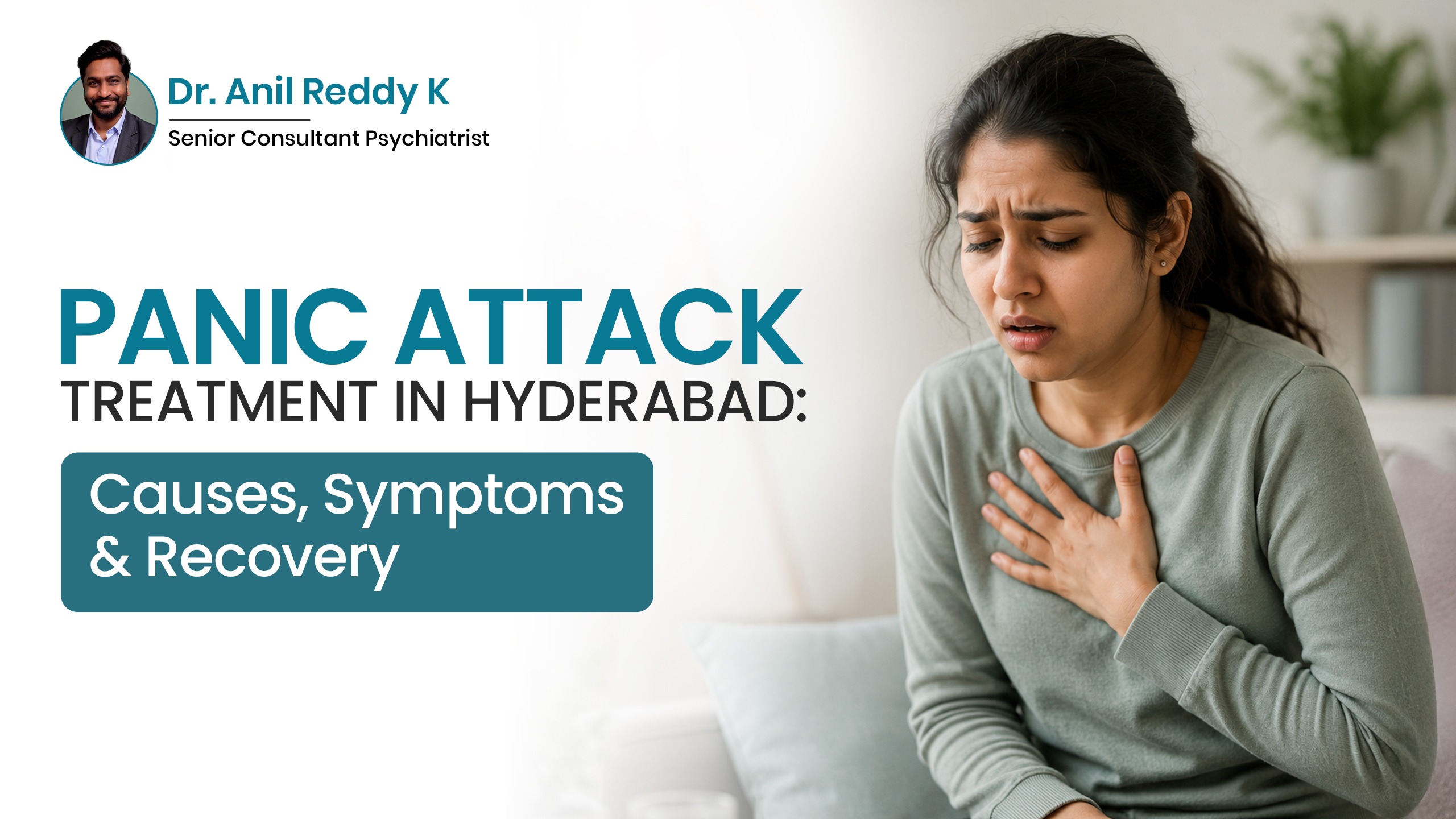
A panic attack is a sudden surge of intense fear or discomfort that reaches its peak within minutes. These episodes can occur without any obvious danger or trigger, making them particularly distressing.
During a panic attack, the body’s natural “fight-or-flight” response becomes activated even when there is no real threat present. This leads to various physical and emotional symptoms that may feel overwhelming.
Although panic attacks themselves are not life-threatening, repeated episodes can significantly affect a person’s quality of life and create fear of future attacks.
Common Causes of Panic Attacks
Panic attacks can develop due to multiple factors, and in many cases, no single cause can be identified.
Genetics and Family History
Individuals with a family history of anxiety disorders or panic disorder may have a higher risk of experiencing panic attacks.
Chronic Stress
Long-term stress related to work, finances, relationships, or personal challenges can increase vulnerability to panic episodes.
Traumatic Experiences
Past trauma, emotional abuse, accidents, or significant life events may contribute to the development of panic disorders.
Medical Conditions
Certain medical conditions, hormonal imbalances, thyroid disorders, and cardiovascular issues may trigger symptoms similar to panic attacks.
Substance Use
Excessive caffeine consumption, alcohol misuse, recreational drugs, or withdrawal from certain substances can contribute to panic symptoms.
Mental Health Conditions
Panic attacks are often associated with anxiety disorders, depression, post-traumatic stress disorder (PTSD), and obsessive-compulsive disorder (OCD).
Understanding the underlying cause is an important step toward effective treatment and recovery.
Symptoms of a Panic Attack
Panic attacks can involve both physical and psychological symptoms that develop suddenly.
Physical Symptoms
- Rapid heartbeat or palpitations
- Chest discomfort or chest pain
- Shortness of breath
- Sweating
- Trembling or shaking
- Dizziness or light-headedness
- Nausea
- Chills or hot flashes
- Tingling sensations in hands or feet
Emotional Symptoms
- Intense fear or terror
- Feeling out of control
- Fear of dying
- Fear of losing control
- Sense of impending doom
- Feeling detached from reality
Many individuals seek emergency medical care during their first panic attack because the symptoms can closely resemble a heart-related emergency.
When Panic Attacks Become Panic Disorder
Having one panic attack does not necessarily mean a person has panic disorder.
Panic disorder is typically diagnosed when individuals experience recurrent unexpected panic attacks along with persistent worry about future attacks or significant changes in behaviour to avoid triggering situations.
Over time, people may begin avoiding crowded places, travel, social gatherings, or public spaces due to fear of experiencing another attack.
Without treatment, panic disorder can interfere with work, education, relationships, and overall emotional well-being.
How Psychiatrists Diagnose Panic Disorders
Accurate diagnosis is essential because panic attack symptoms often overlap with other physical and mental health conditions.
Comprehensive Assessment
The psychiatrist evaluates symptoms, medical history, lifestyle factors, emotional health, and family history.
Physical Health Evaluation
In some cases, medical tests may be recommended to rule out underlying physical conditions.
Mental Health Assessment
The psychiatrist assesses the frequency, severity, and triggers of panic attacks to determine whether panic disorder or another anxiety condition is present.
This detailed evaluation helps create an individualized treatment plan.
Effective Treatment Options for Panic Attacks
Modern psychiatric care offers several evidence-based approaches that help individuals manage symptoms and prevent future attacks.
Medication Management
Certain medications may be prescribed to reduce anxiety symptoms and improve emotional stability. Treatment plans are tailored according to individual needs and symptom severity.
Psychotherapy
Therapeutic approaches help individuals understand panic triggers and develop healthier coping mechanisms.
Cognitive Behavioral Therapy (CBT)
CBT is considered one of the most effective approaches for managing panic disorders. It helps individuals identify negative thought patterns and replace them with healthier responses.
Lifestyle Modifications
Healthy habits often play an important role in recovery.
These may include:
- Regular exercise
- Adequate sleep
- Stress management techniques
- Limiting caffeine intake
- Mindfulness practices
- Relaxation exercises
Professional psychiatrists in Hyderabad often combine multiple treatment approaches to achieve the best long-term outcomes.
Signs You Should Seek Professional Help
Many people attempt to manage panic symptoms on their own, but professional support becomes important when symptoms begin affecting daily life.
You should consider psychiatric consultation if you experience:
- Frequent panic attacks
- Constant fear of future attacks
- Avoidance of social situations
- Difficulty concentrating
- Sleep disturbances
- Persistent anxiety
- Reduced work performance
- Emotional distress affecting relationships
Early intervention can significantly improve recovery and reduce the risk of complications.
The Impact of Untreated Panic Disorder
Ignoring recurring panic attacks can lead to additional mental health challenges over time.
Potential complications include:
- Chronic anxiety
- Depression
- Social isolation
- Reduced self-confidence
- Workplace difficulties
- Relationship challenges
- Substance dependence
- Poor quality of life
Seeking timely treatment helps individuals regain emotional balance and confidence.
Recovery from Panic Attacks Is Possible
Many individuals believe they will have to live with panic attacks forever. Fortunately, this is not true.
With proper diagnosis, personalized treatment, and ongoing support, most people experience significant improvement in their symptoms.
Recovery involves:
- Understanding triggers
- Learning coping strategies
- Managing stress effectively
- Improving emotional resilience
- Building confidence in daily activities
Consistency in treatment and follow-up care often plays a crucial role in achieving lasting results.
Choosing the Right Psychiatrist for Panic Disorder
Selecting an experienced psychiatrist can make a significant difference in treatment success.
When choosing a mental health specialist, consider:
Clinical Experience
Extensive experience helps ensure accurate diagnosis and effective treatment planning.
Personalized Care
Every individual’s symptom and circumstances are unique and require tailored treatment strategies.
Communication and Trust
A supportive and understanding psychiatrist helps patients feel comfortable discussing sensitive concerns.
Long-Term Follow-Up Care
Ongoing monitoring allows treatment plans to evolve according to progress and changing needs.
Many individuals searching for the best psychiatrist near me prioritize experience, accessibility, and compassionate care when making their decision.
Building a Healthier Future Through Mental Wellness
Panic attacks can feel overwhelming, but they are highly treatable with professional psychiatric support.
Seeking help is not a sign of weakness—it is an important step toward improving emotional health and overall quality of life.
With appropriate treatment, individuals can reduce symptoms, regain confidence, improve relationships, and return to daily activities without constant fear or anxiety.
Recovery is possible, and the journey often begins with a single step toward professional care.
Frequently Asked Questions
1. What triggers a panic attack?
Panic attacks can be triggered by stress, traumatic experiences, anxiety disorders, certain medical conditions, excessive caffeine intake, or sometimes no identifiable cause at all.
2. How long does a panic attack usually last?
Most panic attacks peak within 10 to 15 minutes and gradually subside, although some symptoms may linger for a longer period.
3. Can panic attacks occur without warning?
Yes. Panic attacks can happen unexpectedly, even when a person feels calm or is not exposed to an obvious stressor.
4. Are panic attacks dangerous?
While panic attacks are not usually life-threatening, they can be extremely distressing and may significantly impact daily functioning if left untreated.
5. Can panic disorder be completely treated?
Many individuals experience substantial improvement through therapy, medication, lifestyle changes, and ongoing psychiatric support. Early treatment often leads to better outcomes.
Take the First Step Toward Recovery
If recurring panic attacks are affecting your daily life, professional psychiatric support can help you understand the underlying causes and develop effective coping strategies.
Timely diagnosis and evidence-based treatment can significantly reduce symptoms, improve emotional well-being, and help you regain confidence in managing everyday situations.
Book an Appointment
If panic attacks, anxiety, or recurring emotional distress are affecting your daily life, seeking professional psychiatric support can help you regain control and improve your overall well-being.
Dr. Anil Reddy K provides comprehensive evaluation and evidence-based treatment for panic attacks, anxiety disorders, depression, and various mental health conditions.
📞 Call Now:
- +91 96666 55558
- +91 63032 85050
🌐 Website: https://dranilreddykpsychiatrist.com/