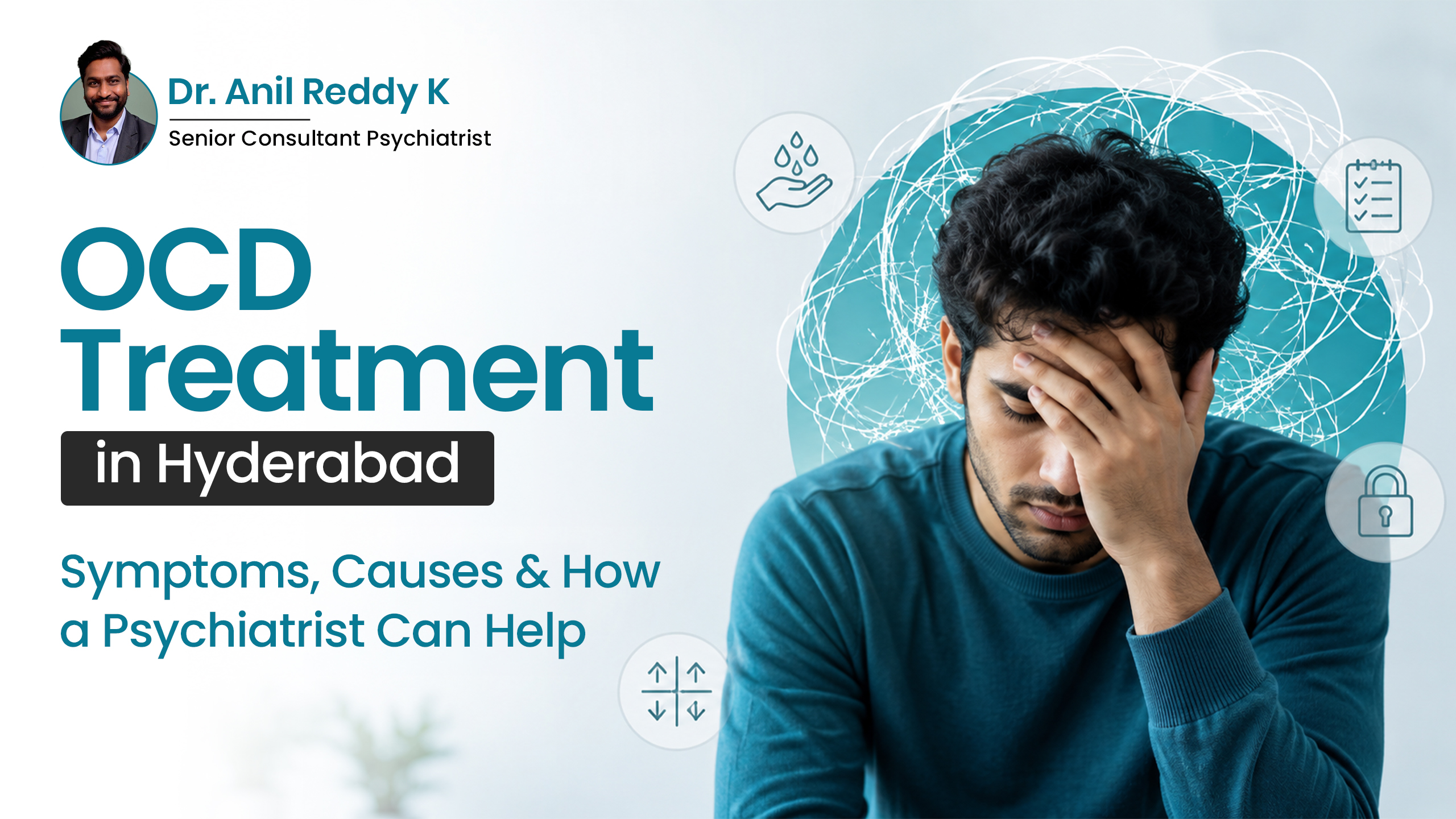
Obsessive Thoughts Taking Over Your Daily Life? Effective OCD Treatment Can Help
Everyone experiences occasional unwanted thoughts or double-checks things from time to time. However, when these thoughts become persistent and compulsive behaviours begin interfering with daily life, they may indicate obsessive-compulsive disorder (OCD).
OCD is a common but treatable mental health condition that affects children, teenagers, and adults. It is not simply about being neat or organized. Instead, it involves persistent intrusive thoughts (obsessions) and repetitive behaviors (compulsions) that a person feels driven to perform to reduce anxiety.
The good news is that OCD is treatable. With early diagnosis, evidence-based therapy, and appropriate medical care, individuals can successfully manage symptoms and improve their quality of life.
Seeking professional OCD treatment in Hyderabad allows individuals to receive a proper diagnosis, a personalized treatment plan, and ongoing support from an experienced mental health professional.
What is Obsessive-Compulsive Disorder (OCD)?
Obsessive-Compulsive Disorder is a psychiatric condition characterized by two major components:
Obsessions
Obsessions are unwanted, repetitive thoughts, images, or urges that cause significant anxiety.
Examples include:
- Fear of contamination
- Fear of harming others unintentionally
- Constant doubts
- Need for perfect symmetry
- Intrusive violent or disturbing thoughts
- Excessive concern about safety
These thoughts are difficult to control and often return repeatedly despite attempts to ignore them.
Compulsions
Compulsions are repetitive actions or mental rituals performed to reduce the anxiety caused by obsessive thoughts.
Common compulsions include:
- Excessive hand washing
- Repeated checking of locks or appliances
- Counting rituals
- Arranging objects repeatedly
- Seeking constant reassurance
- Repeating words or prayers silently
Although compulsions may provide temporary relief, they usually strengthen the OCD cycle over time.
Common Symptoms of OCD
Symptoms vary from person to person and may range from mild to severe.
Some commonly reported symptoms include:
Obsessive Symptoms
- Persistent unwanted thoughts
- Fear of germs or contamination
- Repeated doubts
- Intrusive disturbing images
- Fear of making mistakes
- Excessive need for certainty
Compulsive Symptoms
- Washing hands repeatedly
- Cleaning excessively
- Checking doors multiple times
- Re-reading or rewriting unnecessarily
- Repeating routines until they feel “right”
- Mental counting rituals
Many individuals recognize that these behaviors are excessive but still find them difficult to stop.
What Causes OCD?
There is no single cause of OCD. Instead, several biological, psychological, and environmental factors may contribute.
Brain Function
Research suggests that differences in certain brain circuits involved in decision-making, habit formation, and emotional regulation may play a role.
Genetics
Individuals with a family history of OCD or related psychiatric disorders may have a higher risk.
Stressful Life Events
Major life changes, emotional trauma, or prolonged stress may trigger or worsen symptoms.
Examples include:
- Job-related stress
- Academic pressure
- Relationship difficulties
- Loss of a loved one
- Major health issues
Personality Factors
People who tend to be highly responsible, perfectionistic, or anxious may be more vulnerable to developing OCD.
Common Types of OCD
OCD can present in different ways depending on the nature of obsessive thoughts and compulsive behaviors.
Contamination OCD
Fear of germs, dirt, infections, or illness leading to excessive washing or cleaning.
Checking OCD
Repeatedly checking locks, gas stoves, electrical appliances, or documents to prevent perceived danger.
Symmetry and Ordering OCD
Strong urge to arrange objects in a perfect order or maintain symmetry.
Intrusive Thought OCD
Disturbing unwanted thoughts related to violence, religion, relationships, or inappropriate behavior.
Hoarding-Related Symptoms
Some individuals with OCD may have difficulty discarding possessions due to obsessive fears or anxiety. However, hoarding disorder is recognized as a separate mental health condition and requires its own evaluation.
When Should You Consult a Psychiatrist?
Many people delay seeking treatment because they believe their habits are simply part of their personality. If OCD symptoms interfere with your daily life, consult an experienced psychiatrist in Hyderabad for an accurate diagnosis and effective treatment.
Professional evaluation is recommended if:
- Obsessions consume more than one hour daily
- Compulsions interfere with work or studies
- Anxiety becomes overwhelming
- Relationships are affected
- Daily responsibilities become difficult
- You avoid certain places or situations because of obsessive fears
- Symptoms continue despite trying to control them
Early intervention often leads to better long-term outcomes.
How OCD is Diagnosed
Diagnosis involves a detailed psychiatric assessment rather than a single laboratory test.
The psychiatrist typically evaluates:
- Current symptoms
- Frequency of obsessions
- Nature of compulsive behaviors
- Emotional distress
- Daily functioning
- Family history
- Medical history
- Previous treatments
A thorough evaluation helps rule out other conditions with similar symptoms and ensures an accurate diagnosis.
Treatment Options for OCD
Modern psychiatric care offers several effective treatment approaches depending on symptom severity and individual needs.
Medication
Certain medications may help reduce obsessive thoughts and compulsive behaviors by improving the balance of brain chemicals involved in mood and anxiety regulation.
Treatment is carefully monitored, and dosage adjustments may be made based on progress.
Cognitive Behavioral Therapy (CBT)
CBT is considered one of the most effective psychological treatments for OCD.
It helps individuals:
- Understand obsessive thinking patterns
- Reduce anxiety responses
- Build healthier coping mechanisms
- Break repetitive behavioral cycles
Exposure and Response Prevention (ERP)
ERP is a specialized form of CBT widely recommended for OCD.
During therapy, individuals gradually face situations that trigger anxiety while learning to resist compulsive behaviours.
Over time, this reduces the intensity of obsessive thoughts and improves confidence in managing symptoms.
Lifestyle Modifications
Healthy daily habits can support recovery alongside professional treatment.
These include:
- Maintaining regular sleep
- Daily physical activity
- Stress management techniques
- Mindfulness exercises
- Balanced nutrition
- Limiting excessive caffeine
- Following a consistent routine
Can OCD Affect Children and Teenagers?
Yes. Children and adolescents can also develop OCD.
Parents should watch for signs such as:
- Excessive hand washing
- Repeated questioning
- Constant reassurance seeking
- Difficulty completing schoolwork
- Repetitive rituals before sleeping
- Extreme fear of contamination
- Avoidance of certain activities
Early psychiatric evaluation can help prevent symptoms from becoming more severe.
What Happens If OCD Is Left Untreated?
Without proper treatment, OCD may gradually become more disruptive.
Possible complications include:
- Increased anxiety
- Depression
- Social isolation
- Poor academic performance
- Workplace difficulties
- Sleep disturbances
- Family conflicts
- Reduced self-confidence
- Declining quality of life
Timely treatment can significantly improve functioning and emotional well-being.
Recovery from OCD Is possible.
Many individuals believe they will have obsessive thoughts forever.
Fortunately, with appropriate treatment, many people experience significant improvement.
Recovery involves:
- Understanding symptom triggers
- Learning effective coping strategies
- Following prescribed treatment consistently
- Attending regular follow-up appointments
- Practicing therapeutic techniques in daily life
While recovery takes time, gradual progress often leads to lasting improvements in daily functioning and overall quality of life.
Choosing the Right Mental Health Professional
Finding the right specialist is an important step in managing OCD successfully.
Consider factors such as:
Clinical Experience
Choose a psychiatrist experienced in diagnosing and treating obsessive-compulsive disorder and related anxiety conditions.
Individualized Treatment
Every patient experiences OCD differently.
Treatment should be tailored according to symptom severity, lifestyle, and personal goals.
Evidence-Based Care
Look for professionals who offer scientifically supported treatment approaches, including medication management and psychotherapy.
Long-Term Follow-Up
Regular reviews allow treatment plans to be adjusted as symptoms improve.
Comprehensive Care for OCD and Other Mental Health Conditions
Dr. Anil Reddy K provides comprehensive psychiatric evaluation and personalized treatment for obsessive-compulsive disorder, anxiety disorders, depression, sleep disorders, and other mental health conditions.
Each treatment plan is designed after a detailed clinical assessment, ensuring patients receive individualized care based on their symptoms, lifestyle, and recovery goals. With evidence-based therapies, medication management when appropriate, and regular follow-up consultations, patients receive continuous support throughout their recovery journey.
Frequently Asked Questions
1. What are the first signs of OCD?
Early signs often include repetitive unwanted thoughts, excessive checking, repeated cleaning, constant doubts, or rituals that become difficult to control and begin affecting daily life.
2. Is OCD a lifelong condition?
Not necessarily. Many individuals experience significant improvement with timely diagnosis, psychotherapy, medication when required, and regular follow-up care.
3. Can OCD be treated without hospitalization?
Yes. Most people receive treatment through outpatient consultations, therapy sessions, lifestyle modifications, and medications if recommended by the psychiatrist.
4. How long does OCD treatment take?
Recovery varies for every individual. Some patients notice improvement within a few months, while others may require longer-term treatment depending on symptom severity and response.
5. Can stress make OCD worse?
Yes. Emotional stress, major life changes, lack of sleep, or anxiety can increase the frequency and intensity of obsessive thoughts and compulsive behaviours.
Take the First Step Toward Regaining Control
Obsessive thoughts and repetitive behaviours do not have to control your life. Early diagnosis and appropriate psychiatric care can help reduce anxiety, improve daily functioning, and restore confidence.
If OCD symptoms are interfering with your work, relationships, studies, or overall well-being, seeking professional support is an important step toward recovery.
Dr Anil Reddy K provides comprehensive assessment and evidence-based treatment for obsessive-compulsive disorder and a wide range of mental health conditions through personalized care and ongoing follow-up.
Book Your Consultation Today
📞 Call: +91 96666 55558 | +91 63032 85050
🌐 Website: https://dranilreddykpsychiatrist.com/