When “I’m Just Tired” Becomes Something Deeper
Feeling tired after a long day is normal. But when exhaustion continues even after rest, weekends, or sleep, it may indicate something more serious than physical fatigue.
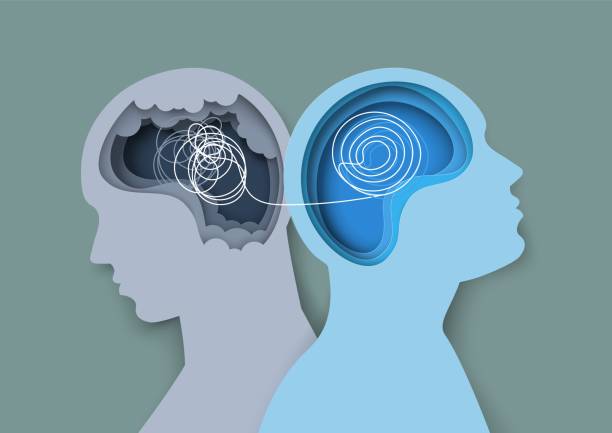
This condition is known as burnout a state of emotional, mental, and physical exhaustion caused by prolonged stress. Over time, it can reduce motivation, focus, and emotional balance.
Many people mistake burnout for laziness or temporary stress. In reality, it is a genuine mental health concern that requires attention and proper care.
With timely support including burnout treatment in Banjara Hills, recovery is possible.
What Is Burnout? Understanding the Mental Process
Burnout develops gradually when the mind remains under continuous pressure without enough emotional recovery.
Common experiences include:
- Constant mental exhaustion
- Reduced concentration and clarity
- Loss of interest in daily activities
- Emotional detachment or numbness
Burnout is not a personal weakness. It is a signal from the brain that it needs rest, balance, and structured support.
7 Signs You Should Not Ignore
Recognizing burnout early can prevent it from becoming more intense. Here are key signs:
1. Constant Mental Exhaustion
Even after sleep or rest, the mind feels heavy and tired.
2. Reduced Motivation
Tasks that were once manageable now feel difficult to start.
3. Emotional Numbness
A feeling of disconnect from emotions or surroundings.
4. Increased Irritability
Small situations may trigger frustration or anger.
5. Difficulty Concentrating
Focus becomes scattered, and simple decisions feel overwhelming.
6. Sleep Disruptions
Either too much sleep or difficulty falling asleep.
7. Withdrawal from Social Interaction
A tendency to avoid conversations or social settings.
If these signs persist, consulting a psychiatrist in Banjara Hills can help identify the root cause and guide recovery.
Causes of Burnout
Burnout usually develops due to long-term emotional and mental strain, such as:
- Continuous work pressure
- Lack of rest or recovery time
- High self-expectations
- Emotional overload from personal or professional life
- Poor work-life balance
Each individual experiences burnout differently depending on lifestyle and stress levels.
How Burnout Affects Daily Life
Burnout impacts multiple areas of life:
Emotional Effects
Mood swings, irritability, and emotional exhaustion.
Cognitive Effects
Poor focus, slow thinking, and difficulty making decisions.
Physical Effects
Headaches, fatigue, muscle tension, and low energy.
Social Effects
Reduced interest in relationships and communication.
When to Seek Professional Help
Burnout is manageable, but self-recovery alone may not always be enough. If symptoms continue for weeks or worsen, professional guidance is recommended.
A qualified psychiatrist near me can help assess emotional patterns and provide structured treatment options.
Seeking help is not a sign of weakness. It is a step toward restoring emotional balance and clarity.
What Happens During Psychiatric Consultation
Many people feel uncertain before their first visit. Understanding the process can reduce hesitation.
1. Open Conversation
You will be encouraged to talk about emotional experiences at your own pace.
2. Assessment of Symptoms
The psychiatrist evaluates emotional, cognitive, and physical patterns.
3. Understanding Triggers
Identifying what may be contributing to mental exhaustion.
4. Personalized Plan
A tailored approach is created based on individual needs.
For experienced care, professionals like Dr. Anil Reddy K., a senior neuropsychiatrist with extensive clinical experience, focus on patient-centered treatment approaches that support long-term mental wellness.
Treatment Options for Burnout
Recovery from burnout usually involves a combination of approaches:
1. Therapy Support
Therapeutic methods help:
- Improve emotional awareness
- Reduce negative thought patterns
- Build coping strategies
2. Medical Support (if needed)
In some cases, medication may be recommended to stabilize mood and improve sleep patterns.
3. Lifestyle Regulation
Small structured changes such as the following:
- Balanced daily routine
- Rest periods between tasks
- Mindful relaxation practices
4. Emotional Support System
Talking to trusted people can reduce emotional burden.
5. Follow-Up Care
Regular sessions help track improvement and adjust treatment if required.
A trusted psychiatrist in Banjara Hills can guide this process effectively with personalized care.
How to Choose the Right Psychiatrist
Choosing the right professional plays a key role in recovery.
1. Comfortable Communication
You should feel at ease discussing emotional concerns.
2. Clinical Experience
Experience in managing stress-related conditions is important.
3. Clear Guidance
Treatment steps should be easy to understand.
4. Consistent Follow-Up
Ongoing support helps maintain emotional stability.
Supporting Someone Experiencing Burnout
If someone close to you shows signs of burnout:
- Listen without interruption
- Avoid minimizing their feelings
- Encourage professional support gently
- Stay emotionally available
Even simple presence can provide comfort during difficult times.
Can Burnout Be Reversed?
Yes, burnout is reversible.
With proper support:
- Emotional energy gradually returns
- Mental clarity improves
- Motivation stabilizes
- Daily life feels more manageable
Recovery is a gradual process, but consistent care leads to improvement.
Preventing Burnout in the Future
Once recovery begins, maintaining emotional balance is important:
- Take regular breaks
- Avoid prolonged mental strain
- Maintain sleep consistency
- Engage in relaxing activities
- Pay attention to early warning signs
Self-awareness plays a major role in prevention.
FAQs
1. Is burnout a medical condition?
Burnout is a recognized psychological state related to prolonged emotional exhaustion and stress.
2. How long does recovery from burnout take?
Recovery time varies depending on severity and individual support systems.
3. Can burnout affect physical health?
Yes, it may lead to fatigue, sleep issues, and body tension.
4. Do I always need medication for burnout?
Not always. Many people improve with therapy and lifestyle changes alone.
5. When should I consult a psychiatrist?
If emotional exhaustion continues for an extended period or starts affecting daily functioning, professional support is recommended through the best psychiatrist in Banjara Hills.
Final Thought
Burnout is not something to ignore or push through endlessly. It is a signal that your mind needs care, rest, and structured support.
With the right guidance, recovery is not only possible but sustainable.
Taking the first step toward help can bring clarity, emotional stability, and gradual restoration of energy.
For expert guidance and personalized care, you can consult Dr. Anil Reddy K at a trusted mental health clinic in Banjara Hills.
Start prioritizing your mental well-being today.
🌐 Visit: https://dranilreddykpsychiatrist.com/
📞 Call: 96666 55558