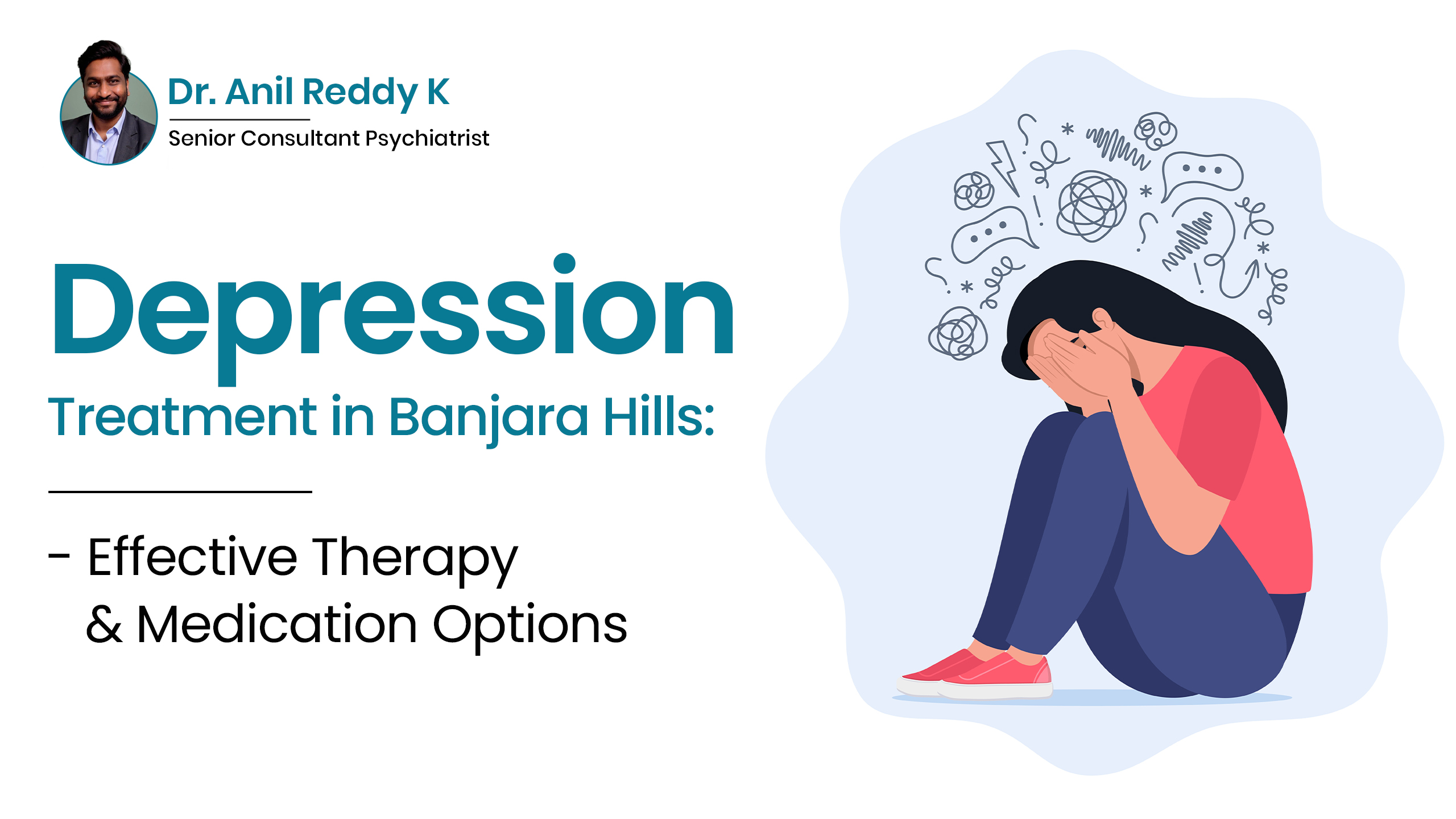
When Emotional Struggles Start Affecting Everyday Life
Feeling emotionally exhausted, constantly anxious, or mentally drained can slowly affect every part of life. While occasional stress is normal, persistent sadness, hopelessness, or lack of motivation may indicate something deeper than temporary emotional strain.
Depression is more than simply “feeling low.” It is a real mental health condition that can affect emotions, sleep, energy levels, relationships, work performance, and overall quality of life.
The good news is that depression is treatable. With the right emotional support, therapy, and medical guidance, individuals can gradually regain emotional stability and improve their mental well-being.
Seeking professional depression treatment in Banjara Hills can help individuals receive structured care tailored to their emotional and psychological needs.
What Is Depression?
Depression is a mood disorder that affects the way a person thinks, feels, and behaves. It can interfere with everyday activities and reduce interest in things once enjoyed.
Depression may develop gradually or appear after stressful life events, emotional trauma, work pressure, relationship issues, or ongoing anxiety.
Common symptoms include:
- Persistent sadness or emptiness
- Loss of interest in activities
- Fatigue or low energy
- Difficulty concentrating
- Changes in appetite or sleep
- Feelings of hopelessness or guilt
- Irritability or emotional numbness
- Social withdrawal
Depression affects people differently, and symptoms may vary from person to person.
Common Causes of Depression
Depression often develops due to a combination of emotional, biological, and environmental factors.
Emotional Stress
Personal struggles, relationship conflicts, financial pressure, or career-related stress may contribute to emotional exhaustion.
Chemical Imbalance
Changes in brain chemicals that regulate mood can affect emotional stability.
Traumatic Experiences
Past trauma, emotional loss, abuse, or major life changes may increase vulnerability to depression.
Chronic Stress
Continuous stress without proper emotional support can gradually affect mental health.
Family History
Individuals with a family history of depression or anxiety may have a higher risk.
Lifestyle Factors
Poor sleep, unhealthy routines, lack of physical activity, and social isolation can worsen emotional well-being.
Each individual experiences depression differently, which is why treatment approaches are personalized.
Signs of Depression You Should Not Ignore
Recognizing symptoms early can help prevent emotional distress from becoming more severe.
Persistent Low Mood
Feeling emotionally down most of the day for several days or weeks.
Loss of Interest
Activities, hobbies, or social interactions may no longer feel enjoyable.
Difficulty Concentrating
Simple tasks may feel mentally exhausting.
Sleep Disturbances
Sleeping too much, insomnia, or irregular sleep patterns.
Low Energy Levels
Constant fatigue even after adequate rest.
Feelings of Worthlessness
Excessive self-criticism, guilt, or hopelessness.
Social Withdrawal
Avoiding family gatherings, conversations, or social activities.
Physical Symptoms
Headaches, body pain, digestive issues, or unexplained discomfort may also occur alongside depression.
If these symptoms continue, professional mental health support becomes important.
How Depression Affects Daily Life
Depression can impact several areas of personal and professional life.
Emotional Impact
Increased anxiety, irritability, emotional numbness, or mood swings.
Physical Impact
Fatigue, body pain, appetite changes, and disturbed sleep.
Cognitive Impact
Difficulty focusing, remembering details, or making decisions.
Relationship Impact
Communication problems and emotional distance from loved ones.
Professional Impact
Reduced productivity, lack of motivation, and difficulty handling responsibilities.
Without proper support, these challenges may gradually become more overwhelming.
When to Seek Professional Help
Seeking help early can improve recovery outcomes and emotional well-being.
You should consider professional support if:
- Symptoms last longer than two weeks
- Daily activities feel difficult to manage
- Emotional distress continues increasing
- Sleep and appetite changes become severe
- Work or relationships are being affected
- You constantly feel emotionally exhausted or hopeless
Professional care provides structured guidance and emotional support during recovery.
What Happens During a Psychiatric Consultation?
Many individuals hesitate to seek help because they are unsure about the consultation process. Understanding what to expect can reduce anxiety.
Open Discussion
During the consultation, the psychiatrist encourages honest communication in a safe and supportive environment.
Emotional Evaluation
Your symptoms, emotional patterns, stress levels, sleep habits, and lifestyle are carefully assessed.
Identifying Triggers
Possible emotional or environmental factors contributing to depression are explored.
Personalized Care Plan
A customized treatment approach is created based on your emotional needs and comfort level.
The focus remains on compassionate, confidential, and non-judgmental care.
Effective Treatment Options for Depression
Depression is treatable, and recovery is possible with the right approach.
Therapy and Counseling
Therapy helps individuals:
- Understand emotional patterns
- Manage stress and anxiety
- Improve coping skills
- Reduce negative thinking
- Build emotional resilience
Psychotherapy is often one of the most effective long-term treatment methods.
Medication Support
In some cases, medication may be recommended to help regulate mood and emotional balance.
Medication is prescribed carefully after evaluating symptoms, medical history, and individual needs.
Lifestyle Improvements
Small lifestyle changes can support emotional recovery:
- Maintaining a healthy sleep routine
- Regular physical activity
- Balanced nutrition
- Limiting stress exposure
- Practicing mindfulness or relaxation techniques
Emotional Support Systems
Support from family, friends, or trusted individuals can significantly improve recovery.
Regular Follow-Ups
Consistent consultations help monitor progress and adjust treatment when necessary.
Individuals searching for the best psychiatrist in Banjara Hills often benefit from choosing professionals who provide personalized and supportive care throughout recovery.
The Importance of Early Treatment
Many people delay seeking help because they believe symptoms will improve on their own. However, untreated depression may gradually worsen over time.
Early treatment can help:
- Improve emotional stability
- Prevent severe mental health complications
- Restore confidence and motivation
- Improve relationships and daily functioning
- Reduce stress and emotional burden
Getting timely help allows individuals to recover more smoothly and regain control over their lives.
How to Choose the Right Psychiatrist
Finding the right mental health professional can make recovery more comfortable and effective.
Comfortable Communication
You should feel safe discussing emotions and personal concerns openly.
Experience in Mental Health Care
Experienced psychiatrists can better understand emotional and behavioral patterns.
Clear Treatment Guidance
Treatment plans should be practical, understandable, and personalized.
Ongoing Support
Regular follow-up care is important for long-term emotional improvement.
If you are searching online for the best psychiatrist near me, choosing a compassionate and experienced professional can make a significant difference in your recovery journey.
Simple Ways to Support Emotional Well-Being
While professional care is important, daily self-care habits can also support mental health.
Maintain a Routine
Simple structure in daily activities helps improve emotional stability.
Stay Connected
Talking with supportive people can reduce emotional isolation.
Prioritize Sleep
Quality sleep plays an important role in emotional regulation.
Avoid Emotional Suppression
Sharing feelings openly can help reduce emotional pressure.
Practice Relaxation Techniques
Breathing exercises, meditation, or mindfulness may help reduce stress levels.
Small steps taken consistently can support long-term emotional well-being.
FAQs
Is depression a serious mental health condition?
Yes. Depression can affect emotional, physical, and social well-being if left untreated. Early treatment can help improve recovery outcomes.
Can depression improve without treatment?
Mild symptoms may sometimes improve temporarily, but professional support often helps achieve healthier and more stable recovery.
Do all patients with depression require medication?
No. Some individuals improve with therapy and lifestyle changes alone, while others may benefit from medication support.
How long does depression treatment take?
Recovery time varies depending on the severity of symptoms, emotional factors, and treatment consistency.
Is it okay to consult a psychiatrist for emotional stress?
Absolutely. Seeking help for emotional struggles is an important step toward improving mental well-being and overall quality of life.
Get Expert Depression Treatment in Banjara Hills
Depression can make everyday life feel emotionally exhausting, but help and recovery are possible. Seeking support is not a sign of weakness it is a positive step toward emotional healing and personal well-being.
With proper treatment, therapy, and compassionate care, individuals can regain confidence, emotional balance, and a healthier outlook on life.
If emotional struggles are affecting your daily life, reaching out early can make recovery smoother and more effective.
🌐 Website: https://dranilreddykpsychiatrist.com/
📞 Call: 96666 55558