When Your Body Reacts Before Your Mind Understands
It doesn’t always come with a warning.
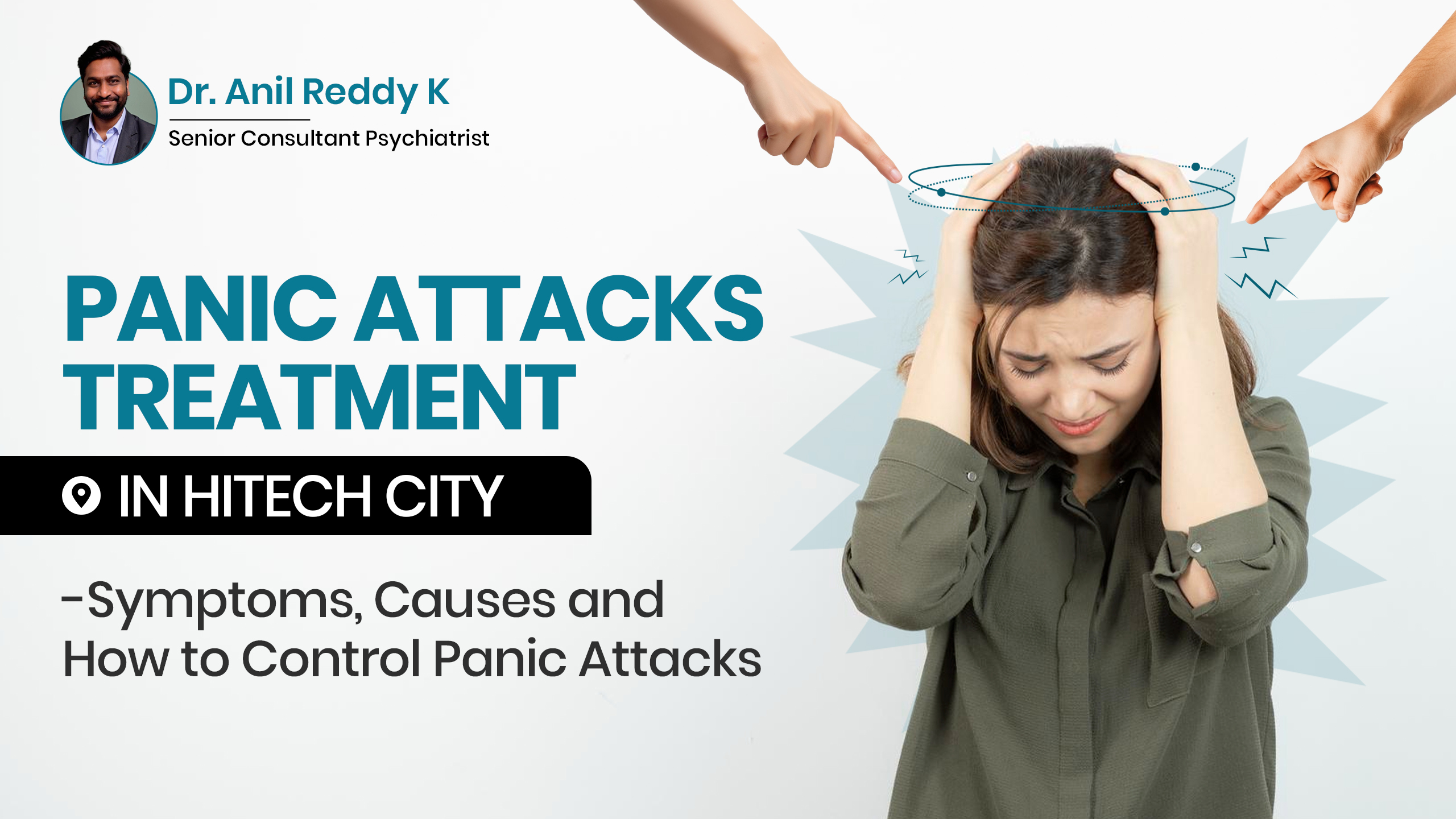
One moment you’re fine… And next, your heart is racing, your chest feels tight, your breathing becomes difficult, and a sudden wave of fear takes over.
It feels intense. Overwhelming. Almost like something serious is happening.
For many people, this is their first experience with a panic attack and it can be confusing, even frightening.
You might think it’s just stress. Or maybe a physical issue. But when these episodes repeat, disrupt your routine, or leave you constantly worried about the next one, it’s time to look deeper.
Understanding panic attacks early and seeking the right panic attack treatment in HiTech City can help you regain control before it starts affecting your daily life.
What Exactly Is a Panic Attack?
A panic attack is a sudden surge of intense fear or discomfort that peaks within minutes often without any clear trigger.
Your body reacts as if it is in danger, even when you are safe.
This is not something you can simply “calm down” from instantly. It is a real mental health condition that needs proper attention and care.
Common Symptoms You Shouldn’t Ignore
Panic attacks can look different for everyone, but there are some common signs to watch for.
1. Rapid Heartbeat
Your heart starts pounding suddenly, even if you’re at rest.
2. Shortness of Breath
It may feel like you can’t get enough air or like you’re choking.
3. Chest Pain or Tightness
This is why many people confuse panic attacks with heart problems.
4. Dizziness or Lightheadedness
You might feel like you’re about to faint.
5. Sweating or Shaking
Even in normal situations, your body reacts intensely.
6. Feeling Detached
Some people describe it as feeling disconnected from reality or themselves.
7. Fear of Losing Control
A strong fear that something bad is about to happen or that you might not be able to handle it.
These symptoms usually peak within 10–20 minutes but can leave you feeling drained for hours afterward.
Why Do Panic Attacks Happen?
Panic attacks don’t always have a clear cause but there are underlying factors that contribute.
Stress and Burnout
Long-term stress can overload your nervous system, making your body more sensitive to triggers.
Anxiety Disorders
People with ongoing anxiety are more likely to experience panic episodes.
Lifestyle Factors
Poor sleep, excessive caffeine, lack of physical activity, or irregular routines can increase vulnerability.
Emotional Triggers
Unresolved fears, trauma, or suppressed emotions can surface in the form of panic.
Genetic Tendency
Some people may be naturally more prone to anxiety-related conditions.
Understanding the cause isn’t about blaming yourself it’s about identifying what your mind and body are going through.
It Starts Suddenly… But It Doesn’t Have to Stay
One of the most difficult parts of panic attacks is their unpredictability.
You might start avoiding places, situations, or activities out of fear of having another episode.
Over time, this avoidance can limit your lifestyle, affect your work, and strain your relationships.
But here’s the important part:
Panic attacks are highly treatable.
With the right approach, you can reduce their intensity and frequency and even stop them completely.
How to Control a Panic Attack in the Moment
When a panic attack begins, your focus should be on calming your body.
1. Focus on Breathing
Slow, controlled breathing helps signal your body that it’s safe.
Try this:
Inhale for 4 seconds → Hold for 4 seconds → Exhale for 6 seconds
2. Ground Yourself
Look around and name 5 things you can see, 4 things you can feel, and 3 things you can hear.
This brings your attention back to the present.
3. Remind Yourself
“This will pass.”
Panic attacks are temporary, even if they feel intense.
4. Relax Your Muscles
Tension increases panic. Slowly relax your shoulders, jaw, and hands.
These techniques won’t eliminate panic instantly but they reduce its intensity.
Why Professional Treatment Matters
Self-help techniques are useful but they’re only one part of recovery.
If panic attacks are recurring, professional help becomes essential.
Working with the best psychiatrist in Hitec City ensures you’re not just managing symptoms you’re addressing the root cause.
What Does Panic Attack Treatment Involve?
1. Detailed Evaluation
Understanding your triggers, lifestyle, and mental patterns.
2. Therapy (Core Treatment)
Cognitive Behavioral Therapy (CBT) helps you:
- Identify thought patterns causing panic
- Reduce fear responses
- Build coping strategies
3. Medication (If Required)
Not everyone needs medication.
But when prescribed, it helps regulate brain chemistry and reduce severe symptoms.
4. Lifestyle Adjustments
Small changes can have a big impact:
- Better sleep routine
- Reduced caffeine
- Regular exercise
- Structured daily schedule
5. Continuous Support
Regular sessions ensure steady improvement and long-term stability.
Choosing the Right Psychiatrist in Hitech City
The right doctor can make a huge difference in your recovery journey.
Here’s what to look for:
Experience with Panic Disorders
Specialized knowledge leads to better outcomes.
Comfortable Communication
You should feel safe discussing your thoughts openly.
Personalized Approach
Treatment should be tailored not one-size-fits-all.
Consistent Follow-Up
Mental health recovery requires ongoing support.
Best Psychiatrist for Panic Attack Treatment in Hitech City – Dr. Anil Reddy K
With over 15 years of clinical experience, Dr. Anil Reddy K provides structured and compassionate care for panic and anxiety disorders.
- Personalized treatment plans
- Combination of therapy, medication, and lifestyle guidance
- Supportive, judgment-free environment
- Convenient access near Hitech City
- Focus on long-term recovery and stability
His approach is focused on helping you regain control—not just temporarily, but in your everyday life.
When Should You Seek Help?
Don’t wait for panic attacks to become frequent or severe.
You should consider professional help if:
- You’ve had multiple panic attacks
- You’re constantly worried about the next episode
- You avoid situations due to fear
- Your sleep or daily routine is affected
If convenience is important, you can also search for the best psychiatrist near me to ensure easy and consistent access to care.
The Reality of Recovery
Panic attacks can feel overwhelming but they are manageable.
With the right treatment:
- Episodes become less frequent
- Symptoms reduce in intensity
- Fear decreases
- Confidence returns
Recovery doesn’t mean eliminating every moment of anxiety it means gaining control over how you respond to it.
FAQs
1. Are panic attacks dangerous?
Panic attacks are not physically dangerous, but they can feel very intense. They don’t cause long-term harm, but recurring attacks should be treated.
2. How long does a panic attack last?
Most panic attacks peak within 10–20 minutes, though the after-effects can last longer.
3. Can panic attacks go away on their own?
In some cases, they may reduce but without treatment, they often return or become more frequent.
4. Is medication always necessary?
No. Many people manage panic attacks effectively with therapy alone. Medication is recommended only when needed.
5. Can lifestyle changes really help?
Yes. Sleep, diet, exercise, and stress management play a major role in reducing panic symptoms.
Final Thought
Panic attacks don’t define you but ignoring them can slowly take control of your life.
If it’s been happening more often, or if that sudden fear is starting to limit your daily routine, it’s time to take it seriously.
You don’t have to wait for it to get worse.
The sooner you address it, the easier it becomes to manage.
Book Your Consultation Today
Take the first step toward feeling calm, in control, and confident again.
Schedule your consultation and start your recovery journey with the right guidance and support.
📞 Call: 63032 85050
🌐 Visit: https://dranilreddykpsychiatrist.com/