When “It’s Just a Bad Night” Becomes a Pattern
Everyone has an occasional sleepless night.
Maybe it’s stress.
Maybe it’s too much screen time.
Maybe your mind just won’t slow down.
You tell yourself, “It’ll get better tomorrow.”
But what if it doesn’t?
What if nights start feeling longer…
Sleep becomes lighter…
And mornings feel heavier?
That’s when a simple sleep issue can quietly turn into something deeper.
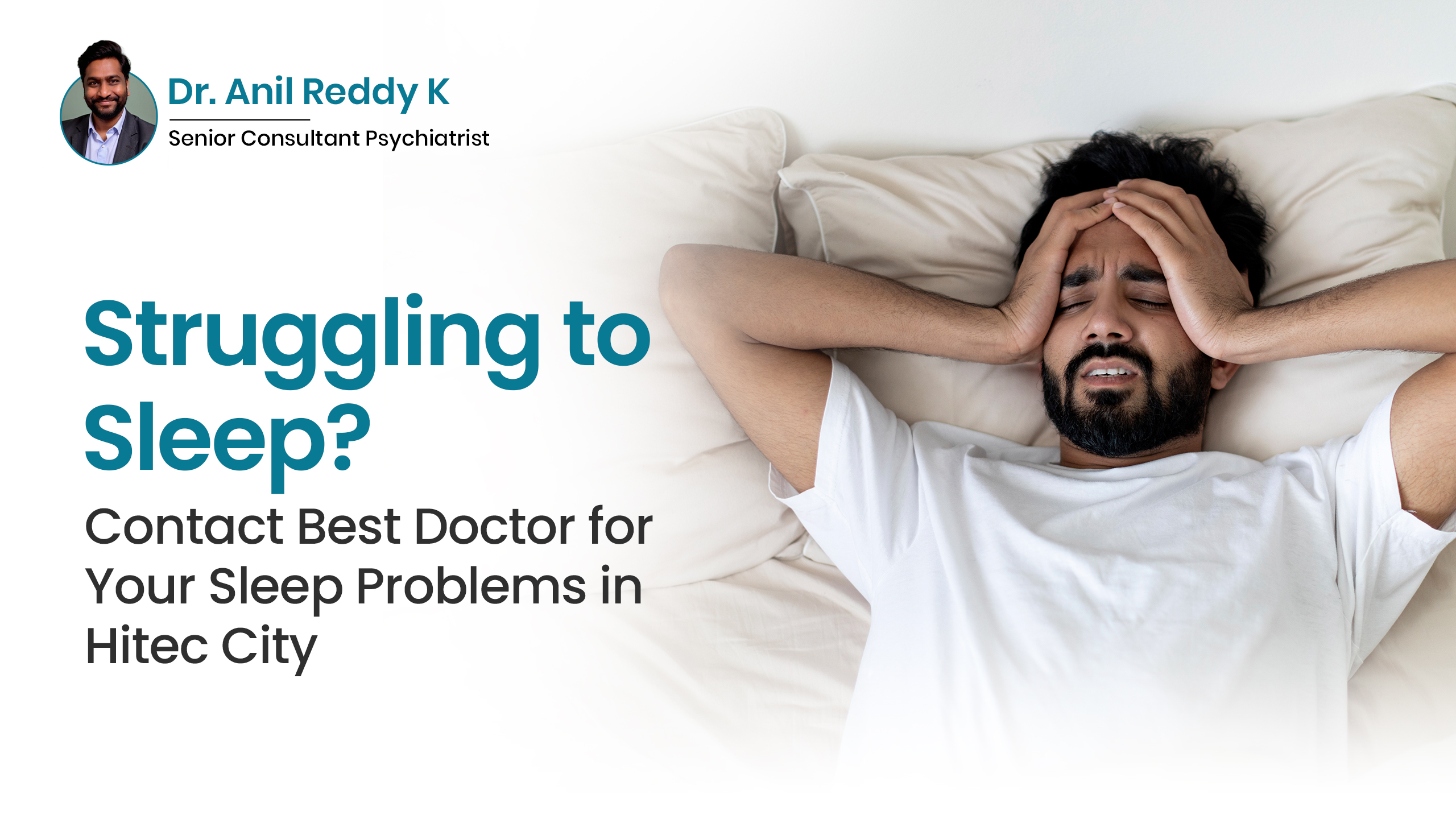
If you’ve been struggling with sleep regularly, it’s not something to ignore and finding the best doctor for sleep problems in Hitec City could be the step that changes everything.
Sleep Problems: More Common Than You Think
Sleep issues don’t always start dramatically.
It begins small:
- Taking longer to fall asleep
- Waking up in the middle of the night
- Feeling tired even after 7–8 hours in bed
Over time, these patterns build up.
And before you realize it, your entire routine starts revolving around poor sleep.
Is It Insomnia or Something Else?
Many people assume all sleep issues are the same.
They’re not.
Sleep problems can include:
- Insomnia – Difficulty falling or staying asleep
- Anxiety-related sleep issues – Racing thoughts at night
- Stress-induced sleep disturbance – Temporary but recurring
- Circadian rhythm disorders – Irregular sleep cycles
- Sleep apnea – Interrupted breathing during sleep
Understanding the root cause is key and that’s where professional sleep problems help in Hitec City become important.
7 Signs Your Sleep Problem Needs Attention
Sleep issues often go unnoticed until they start affecting your daily life.
Here are some signs you shouldn’t ignore:
1. You Take More Than 30 Minutes to Fall Asleep
You’re in bed… but your mind is still active.
Scrolling. Thinking. Overanalyzing.
This delay is one of the earliest indicators of disrupted sleep patterns.
2. You Wake Up Multiple Times at Night
Interrupted sleep prevents your body from completing full sleep cycles.
Even if you fall back asleep, the quality of rest drops significantly.
3. You Wake Up Feeling Tired
Sleep isn’t just about hours it’s about quality.
If you wake up exhausted, your sleep isn’t doing its job.
4. Your Mind Becomes More Active at Night
This is very common.
During the day, distractions keep you busy.
At night, your thoughts get louder.
This is often linked to anxiety and emotional stress.
5. You Feel Irritable or Low During the Day
Lack of sleep doesn’t just affect energy it affects mood.
You may notice:
- Irritability
- Low patience
- Lack of motivation
6. You Depend on Screens or Distractions to Sleep
Watching videos or scrolling until you fall asleep may feel helpful…
But it actually worsens sleep quality over time.
7. You Worry About Not Sleeping
This is where the cycle begins.
The more you worry about sleep, the harder it becomes.
This creates a loop that’s difficult to break without help.
Why Ignoring Sleep Issues Can Backfire
Sleep is not optional.
It’s essential for:
- Brain function
- Emotional balance
- Physical health
When sleep problems are ignored:
- Anxiety increases
- Focus decreases
- Productivity drops
- Physical health starts getting affected
Over time, untreated sleep issues can even contribute to conditions like depression and chronic stress.
What Causes Sleep Problems?
Sleep disturbances don’t happen randomly.
They usually have underlying triggers:
1. Stress & Overthinking
Your body may be tired, but your mind stays active.
2. Anxiety Disorders
Persistent worry often shows up strongest at night.
3. Poor Sleep Habits
Irregular sleep timings
Late-night screen usage
Caffeine intake
4. Lifestyle Imbalance
Lack of physical activity
High work pressure
Irregular routines
5. Medical or Psychological Conditions
Sometimes, sleep issues are a symptom not the main problem.
That’s why expert evaluation matters.
What Does Treatment for Sleep Problems Look Like?
Many people assume treatment means medication.
That’s not always true.
Here’s what actually happens:
1. Detailed Sleep Assessment
A professional understands:
- Your sleep routine
- Mental health patterns
- Lifestyle factors
This helps identify the root cause.
2. Behavioral Therapy for Sleep
One of the most effective methods is CBT for Insomnia (CBT-I).
It helps you:
- Reset sleep patterns
- Reduce nighttime anxiety
- Improve sleep habits
3. Medication (If Required)
Used only when necessary.
Modern treatments are:
- Safe
- Controlled
- Short-term focused
4. Lifestyle Corrections
Simple changes can have powerful effects:
- Fixed sleep schedule
- Reduced screen exposure
- Relaxation techniques
- Physical activity
5. Continuous Monitoring
Sleep improvement is gradual.
Regular follow-ups ensure long-term results.
How to Choose the Right Sleep Specialist
Not every doctor approaches sleep problems the same way.
Here’s what to look for:
1. A Doctor Who Listens Carefully
Sleep issues are deeply personal.
You need someone who understands your experience not just symptoms.
2. Focus on Root Cause
Temporary fixes don’t work long-term.
The right doctor identifies why the problem exists.
3. Expertise in Mental Health & Sleep Disorders
Since sleep and mental health are closely connected, this matters a lot.
4. Comfort & Trust
If you’re not comfortable sharing openly, treatment becomes less effective.
If you’re considering professional support, consulting Dr. Anil Reddy K, the best psychiatrist in Hitech City, can help you approach sleep issues with a structured and effective plan.
When Should You Seek Help?
Here’s a simple guideline:
- Sleep problems lasting more than 2–3 weeks
- Daily fatigue affecting work or routine
- Mood changes linked to poor sleep
If this sounds familiar, it’s time to act.
You don’t have to wait until it becomes severe.
Searching for the best psychiatrist near me can help you access care that fits your routine and location.
The Connection Between Sleep and Mental Health
Sleep and mental health are deeply connected.
Poor sleep can lead to:
- Anxiety
- Overthinking
- Emotional instability
At the same time:
- Anxiety can disrupt sleep
- Stress can delay sleep
- Depression can affect sleep cycles
This cycle continues unless addressed properly.
That’s why treating sleep problems early is so important.
What Recovery Actually Feels Like
When sleep improves, everything changes:
- Your mind feels calmer
- Your body feels lighter
- Your energy returns
- Your focus improves
It’s not just about sleeping better.
It’s about living better.
FAQs
1. How do I know if my sleep problem is serious?
If your sleep issues persist for more than a few weeks and affect your daily life, it’s worth consulting a specialist.
2. Can sleep problems go away on their own?
Temporary issues may resolve, but ongoing sleep problems usually need proper evaluation and treatment.
3. Do I need sleeping pills?
Not always. Many cases improve with therapy and lifestyle changes. Medication is used only when necessary.
4. Is poor sleep linked to anxiety?
Yes. Anxiety is one of the most common causes of sleep disturbances, especially difficulty falling asleep.
5. How long does it take to fix sleep problems?
Some people see improvement within weeks, while others may take a few months depending on the cause and consistency of treatment.
Final Thought
If you’ve been struggling night after night, it’s not “just sleep.”
It’s your body asking for attention.
Ignoring it won’t fix it.
But the right help can.
You deserve restful nights.
You deserve better mornings.
Book Your Consultation Today
Don’t let sleepless nights affect your health and peace of mind.
Consult Dr. Anil Reddy K, the best psychiatrist in Hitech City, and take the first step toward better sleep and a healthier life.
Call: 63032 85050
Visit: https://dranilreddykpsychiatrist.com/hi-tech-city/